Rekeying
The same information is copied between systems, documents or spreadsheets.
Veda AI designs and implements automation, applied AI and connected workflows that reduce manual effort, improve visibility and help teams focus on higher-value work.
Workflow first
Improve the workflow first. Then automate what should not stay manual.
A broken process does not become better because it runs faster. Disconnected tools, unclear ownership and missing exception paths simply create faster confusion.
Veda AI starts with the target workflow, users, rules and business outcome. The right intervention may be AI, automation, integration, software or a simpler process change.
Automate repeatable steps, notifications, approvals, routing, handovers and data movement — with exception handling built in.
Approvals · task creation · alerts · synchronisation
Use AI where it improves the process through extraction, classification, retrieval, drafting or decision support with appropriate review.
Documents · knowledge · assistants · structured data
Integrate the platforms you already use so work, information and status move reliably across the complete workflow.
CRM · finance · APIs · reporting pipelines
Create focused portals, dashboards and operational interfaces where existing products and simple automation cannot do the job properly.
Portals · admin tools · dashboards · workflow apps
The examples are starting points. Discovery determines what is genuinely worth changing.
The same information is copied between systems, documents or spreadsheets.
Work waits in inboxes because ownership, status and escalation are unclear.
Customers or colleagues wait while information is transferred manually.
Teams spend valuable time extracting, checking, classifying and rewriting information.
Management information is assembled late from fragmented and unreliable sources.
A critical workflow depends on one person knowing what happens next.
Email and spreadsheets have become the operating system for important work.
Leadership cannot see workload, status, exceptions or where work is getting stuck.
For unclear, cross-business or multi-workflow problems where leadership needs a wider operational view and prioritised improvement plan.
£995 + VAT →
Route B · DefineFor a known workflow problem where the client is ready to challenge the brief, define the intervention and create a buildable scope.
Scoped engagement →
A focused engagement that turns a recognised workflow problem into a challenged, technically credible and buildable definition.
Scoped around the workflow, systems, integrations, data, users and level of technical uncertainty involved.
Current-state workflow
Target-state workflow
User and ownership map
Systems and integration map
Data and document assessment
Automation and AI suitability
Exception and review requirements
Security and access considerations
Success measures
Technical approach
Implementation scope
Delivery plan
Indicative investment and timeline
Proceed, revise or stop recommendation
Map the current workflow, users, systems, data, pain points, ownership and outcome that matters.
Design the target workflow, intervention, rules, integrations, exceptions, controls and measures of success.
Validate uncertain AI behaviour, integrations, data handling or user interactions without prototyping the obvious.
Deliver the automation, applied-AI capability, connected workflow or internal tool and test it with real users.
Support adoption, monitor reliability and performance, resolve issues and prioritise worthwhile improvements.
We design ownership, permissions, review, exceptions, escalation, fallback, auditability and accountability into the workflow. Human judgement remains where the risk, ambiguity or consequence requires it.
Veda AI connects commercial and operational judgement with automation, applied AI, integrations and software delivery. We challenge the workflow and the brief before building, recommend AI only where it adds value and remain responsible for how the system lands.
Where deeper architecture, platform development or sustained engineering is needed, production delivery connects directly into Veda Software. Responsible implementation is supported by our Responsible AI principles, Trust & Quality and the CLARITY Method.
These examples show operational diagnosis and specialist AI products accurately, without relabelling conventional software work as AI.
Operate BetterBusiness Efficiency Audit
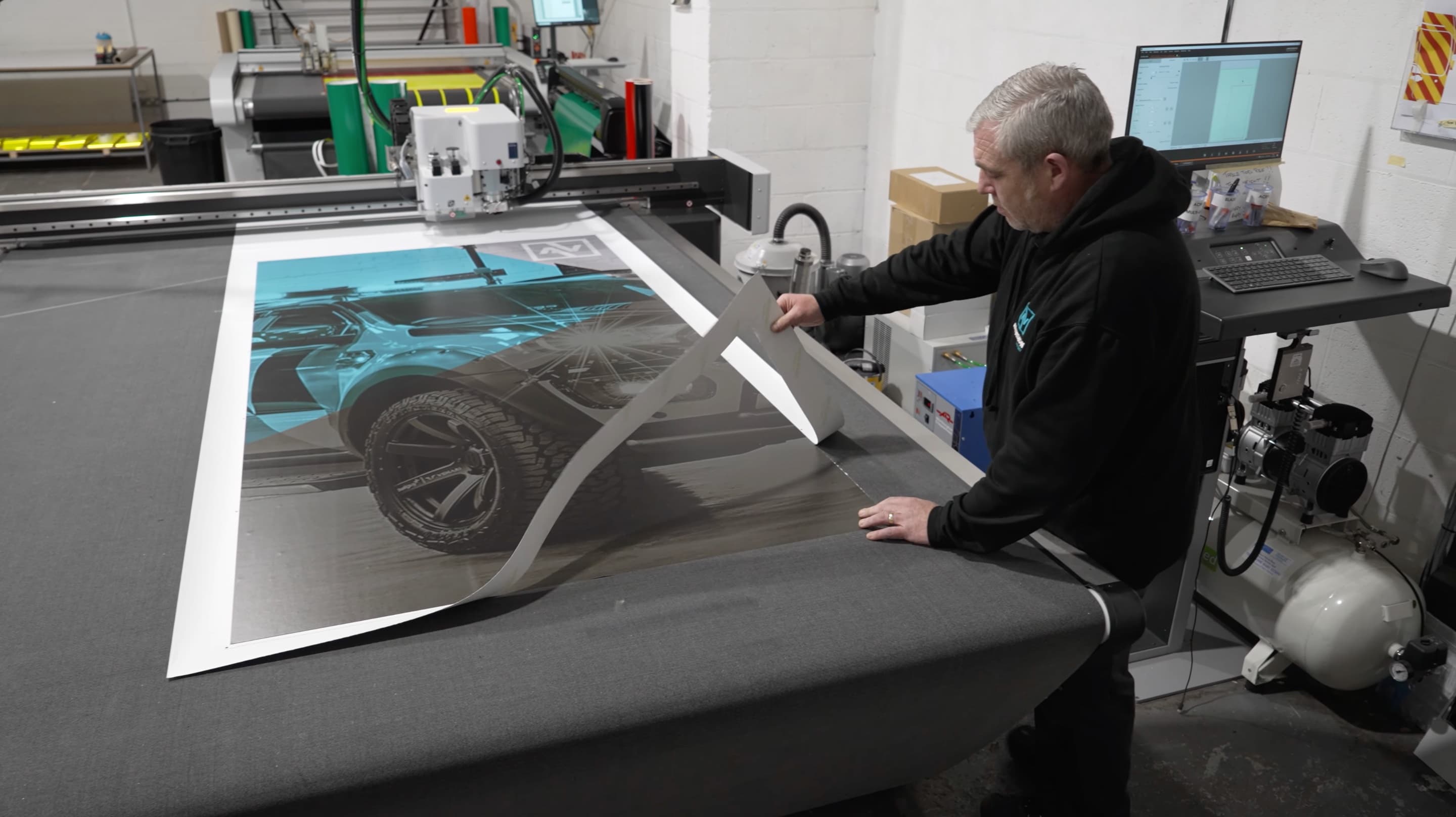
Print, signage & large-format
A hands-on operational review exposed duplicated work, fragmented communication and weak visibility, creating a prioritised route for improvement.
No. The Audit is the right starting point when the underlying problem is unclear, several workflows may be involved or leadership needs wider operational priorities. If the workflow is already known, Focused Automation Discovery can define the intervention directly.
Start with the workflow
Start with a focused conversation about the workflow, the systems involved and what a better outcome should look like.